Everything you give comes back, one way or another.
We say it almost without thinking: “that’s karma”. When something good comes to someone who deserves it, or when a bad deed ends up having its consequence. But behind such an everyday word lies one of the oldest and most profound ideas in human spirituality: that nothing we do is ever lost in the void.
Where karma comes from
The word karma comes from Sanskrit and literally means “action”. It was born within the great spiritual traditions of India: Hinduism, Buddhism, Jainism and, later, Sikhism. Each one understands it in its own way, but they all share the same intuition: our actions, words and thoughts create an energy that, sooner or later, comes back to us.
At heart, it is a law of cause and effect. In many of these traditions, its consequences are not limited to this life, but accompany the soul through the cycle of reincarnation. And in all of them, karma is an invitation to personal responsibility: to become aware of what we do and of how it affects others.
Good karma and bad karma
Karma is said to be an invisible energy that arises from everything we do, whether with our body, our words or our mind. Generous, honest and compassionate acts create positive karma, which tends to bring wellbeing. Acts that harm, deceive or wound create negative karma, which usually turns back against us.
But karma is neither a punishment nor a sentence. It is more like a mirror: it reflects back what we sow. And that means something truly hopeful: we can always begin to sow differently.
The 12 laws of karma
In recent decades, the so-called 12 laws of karma have become popular, a modern way of summing up this idea in practical principles for everyday life. They are not part of the ancient texts, but they capture their spirit well: they speak of reaping what we sow, of change beginning with ourselves, of the importance of the present moment, of patience, of humility and of everything being connected.
More than rules, they are reminders. They help us focus on what we want to achieve, enjoy the moment, surround ourselves with what does us good and keep growing as people.
How to nurture good karma day to day
Working on your karma begins with looking at yourself honestly and kindly. It isn’t about grand gestures, but about small changes that, added together, transform the way we are in the world:
- Kindness and generosity. Treating others with compassion and helping without expecting anything in return.
- Thinking before acting. Reflecting on the consequences of our decisions and choosing those that harm no one.
- Forgiving. Letting go of resentment towards those who have hurt us. Forgiving is not forgetting, but it frees us from an enormous weight.
- Learning from every experience. Seeing mistakes and challenges as opportunities to grow.
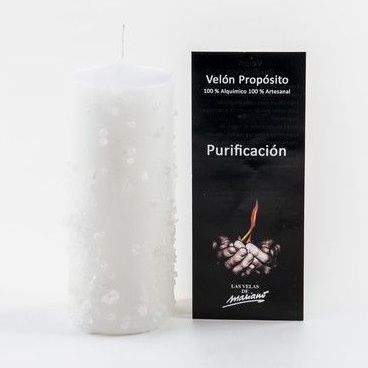
- Making time for reflection. Meditating, lighting a candle or simply pausing to observe our thoughts and habits so that we can change them.
Many people accompany this inner work with small rituals: cleansing their space with palo santo or incense, or lighting a candle while they spend a few minutes on intention and gratitude.
To accompany you on your path
If you’d like to accompany this inner work with a small ritual, here are a few pieces that can help you create your own moment of calm, intention and gratitude:


A path, not a destination
The most important thing about karma is understanding that it is an ongoing process. There will be days when it’s hard, and changes that don’t happen at the first attempt. That’s all right. What matters is the direction: choosing, again and again, kindness, awareness and respect.
And little by little, almost without realising it, our life becomes calmer, more balanced and lighter.
Because caring for what we sow is the loveliest way of caring for what is yet to come.
May all the good you sow come back to you multiplied. 🔮





Our customers trust us
Opinions of our clients
Receive our news