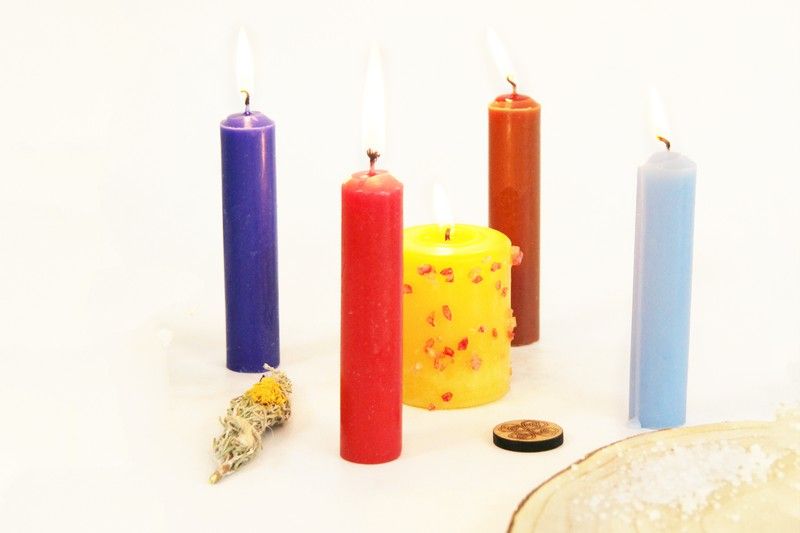
The longest day of the year!
The summer solstice marks a very important moment in the astronomical calendar: the instant when the Sun reaches its highest point in the sky at noon. It occurs between June 20th and 21st in the northern hemisphere and represents the longest day and the shortest night of the year. But why does this happen? The phenomenon is due to the tilt of the Earth's axis, which causes one of the hemispheres to receive more direct sunlight during part of the year.
Astronomically, the solstice is not considered a full day, but an exact moment: when the Sun is at its maximum northern declination in relation to the celestial equator. At that moment, the sunlight strikes the Earth more perpendicularly, giving us more hours of daylight than any other day of the year 💛
It represents the culmination, fullness, and expansion of vital energy. From this point onwards, the days begin to shorten slowly, adding a layer of depth and reflection on the cyclical nature of time and life.
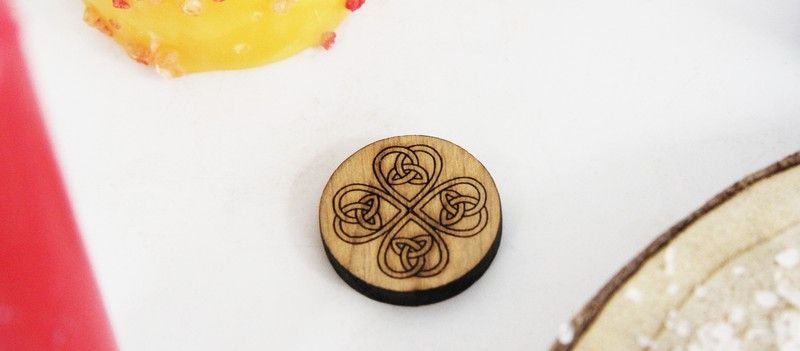
🔥 Litha: the Celtic celebration of the Summer Solstice
For the Celtic culture, the summer solstice was one of the most powerful dates on the sacred calendar. The celebration, known as Litha, marked the moment when the Sun reached its maximum power and blessed the Earth with its light and warmth. It was a time of fertility, abundance, and a celebration of life at its greatest splendor.
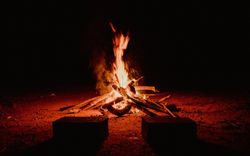
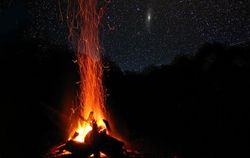
The Celts understood that Litha was a liminal time, a portal between worlds, where the barriers between the visible and the invisible became thinner. The energy of the Sun, at its zenith, was considered magical and conducive to rituals of protection, love, prosperity, and divination. It was common to light large bonfires on hills and fields as a symbol of the Sun and to strengthen its power, which also served to purify, drive away evil spirits, and protect the crops 🔥🙌
During Litha, homage was also paid to the spirits of nature🌾, especially to the elementals like fairies, elves, and other magical creatures who, according to Celtic tradition, were very active on these nights. The druids, priests, and sages of Celtic culture took advantage of this energy to gather sacred herbs at their peak potency, such as mistletoe and St. John's Wort.
Additionally, this celebration had a deep dual symbolism: while it celebrated the peak of the Sun, it was also recognized that from that moment on, its decline began. Thus, Litha was both a song of praise and an acceptance of the natural cycles of growth and decay.
Connection to our culture
Although the ancient Celtic celebrations of Litha have largely disappeared, many of their rituals and symbolism are still alive in the traditions we celebrate today, especially in the festival of Saint John's Eve.
One of the most popular traditions inherited from Celtic culture is the burning of effigies or symbolic figures, which represents sacrifice or the elimination of bad energies and negative emotions. The custom is still present in many towns, where figures made of cloth or wood, often in human form, are built and then set on fire in bonfires. The act of "burning the old" is directly related to the Celtic belief that fire has the power to transform and renew.
The ritual baths💦 are also a tradition passed down from the Celts, who believed in the purifying properties of water. The practice of immersing oneself in rivers, lakes, or the sea during the night of Saint John's Eve aims to cleanse both the body and the soul.
Thus, Celtic traditions continue to be present in our culture, reminding us of the importance of connecting with nature, purifying ourselves, and asking for prosperity in this cycle of light and expansion ✨
Rituals to harness the energy of the Summer Solstice 🕯️
The summer solstice is a unique opportunity to connect with the energy of the universe🌀 an energy that is at its peak expression. The rituals we perform at this time allow us to harness that abundance of light and energy to align with our deepest intentions and desires.
In fact, they have the ability to help us be present and conscious, to connect with the essence of the summer solstice. It is about creating a space for reflection and openness🧘🏼♂️ where we give ourselves permission to let go of what no longer serves us and receive what we are ready to manifest.
Elements like water, fire, or aromas act as vehicles to amplify our energy and our connection with nature. Water💧 in its purity and fluidity symbolizes cleansing and renewal. Fire🔥 present in candles or bonfires is a powerful element of transformation. Its light stimulates our creativity, clarity, and determination.
The aromas of herbs and essential oils provide a sensory dimension that deepens the experience and helps us relax, open our hearts, and focus on what we truly want to attract.
Performing a ritual during the summer solstice is an act of consciousness and respect for the cycles of life. It is a reminder that we are connected to something much larger than ourselves, and that we have the power to create the reality we desire, as long as we are willing to align with the natural forces around us.
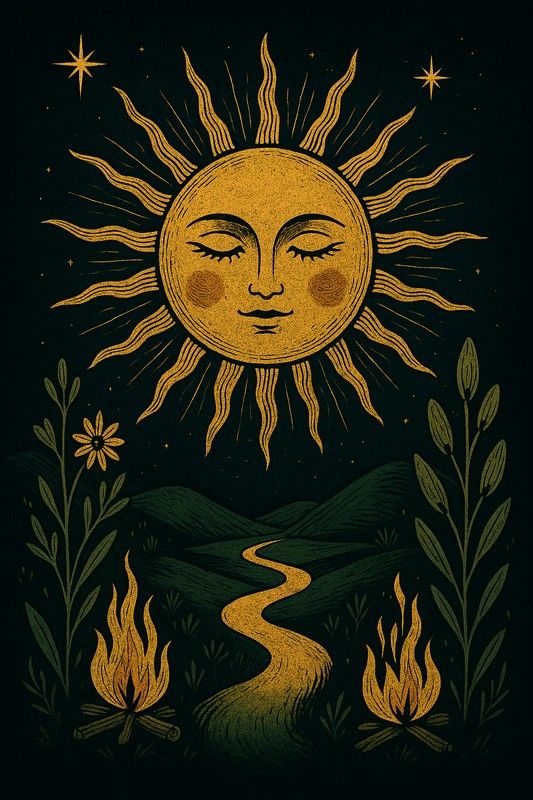
Embrace the energy of the Summer Solstice
Much more than just an astronomical phenomenon, this day is a gateway to new possibilities, an invitation to reconnect with our essence and harness the power of the light around us.
Performing rituals at this time is a special way to align with the natural forces that guide our path. Take advantage of this moment to be aware of your energy, your desires, and your intentions 🔮
So, this June 21st or Saint John's Eve, don't miss the opportunity to honor the light, life, and the cycles that sustain us. From Las Velas de Mariano, we encourage you to create a space for yourself and let the magic of the summer solstice guide you towards a brighter future, full of infinite possibilities 💫

Our customers trust us
Opinions of our clients
Receive our news