The Jet Figa: the story of the amulet against the evil eye
From the Roman manus fica to the workshops of Santiago de Compostela: the story of the jet figa, a protective amulet handed down through generations.
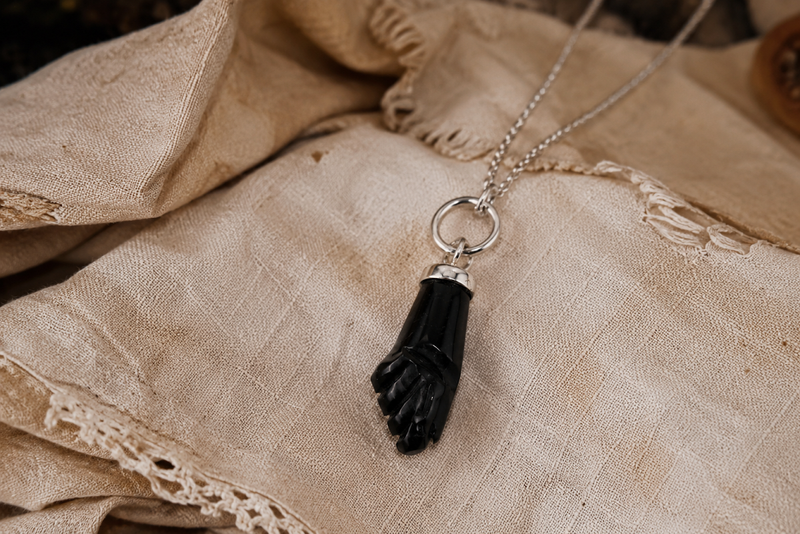
What did mothers hide in their children's clothes?
There was a time when something frightened people more than the dark. It was the evil eye.
You couldn't see it. It made no sound. Yet for centuries many people believed that a glance full of envy could bring illness, misfortune or bad luck. And the ones they worried about most were always the little ones.
So, before leaving the house, many mothers repeated the same gesture. They checked that a small black hand was still tucked away in their child's clothes.
It was a jet figa. It wasn't an ornament. It was a promise of protection.
From Rome to the Way of St James
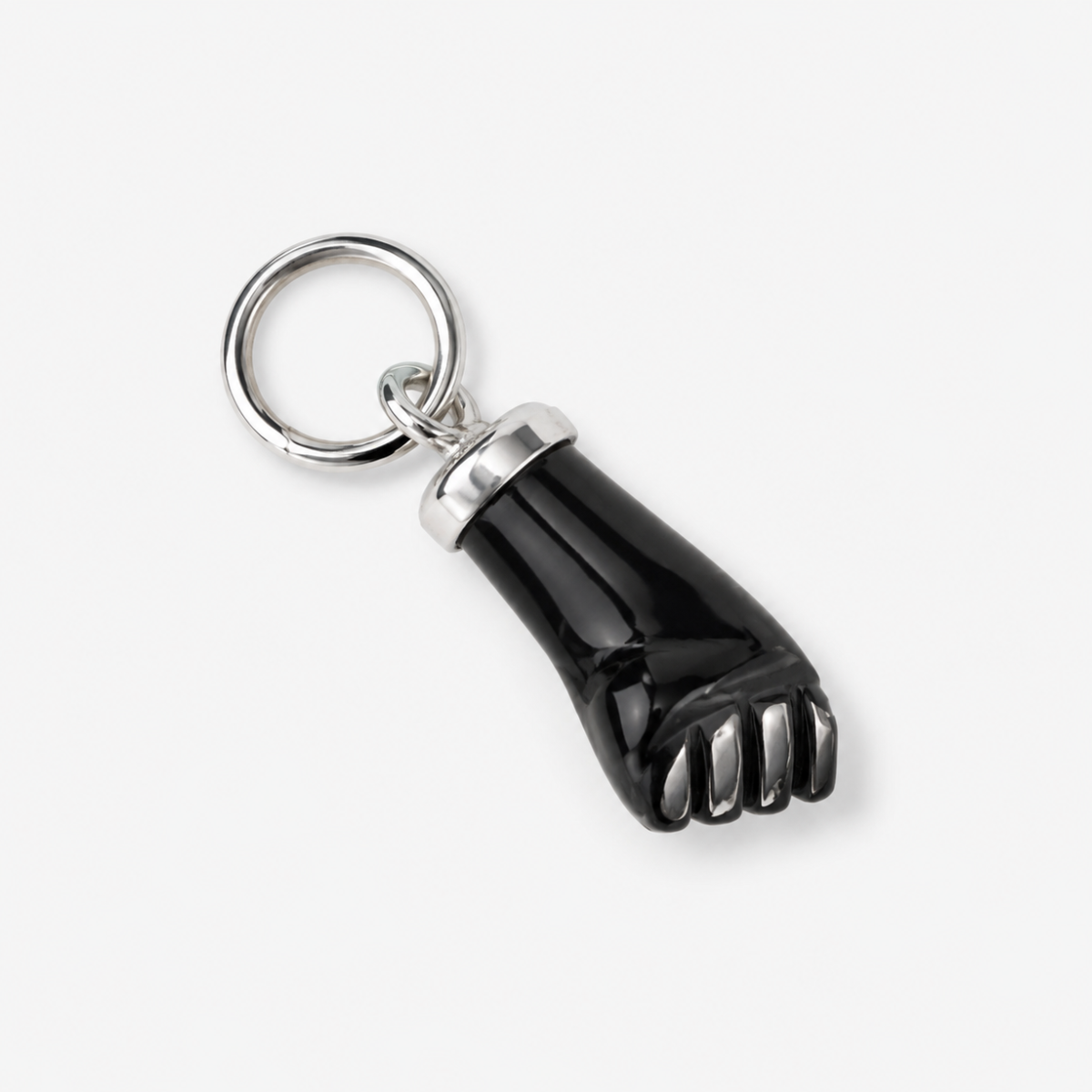
That gesture — a closed hand with the thumb peeking out between the index and middle fingers — is ancient. The Romans already made it and called it manus fica: a gesture to defy evil and ward off envy. "Your gaze can't reach me."
Centuries later, in the Middle Ages, the symbol found its home in the north of Spain, in Asturias and Galicia. In Santiago de Compostela, near the jet mines, master craftsmen began carving the figa from that black stone, long believed to hold powerful protective properties. From then on it travelled with pilgrims on the Way of St James, protected generations of children and passed from hand to hand like a small family treasure.
A symbol that has lasted to this day
Many more centuries have gone by. Today we know that no glance can make a child ill. But envy still exists. And the symbol of the figa has lasted to this day.
Because beliefs change. But some symbols remain.
Perhaps that's why the jet figa still accompanies so many people, generation after generation.
Make one of the oldest traditions in our history your own.
Our selection
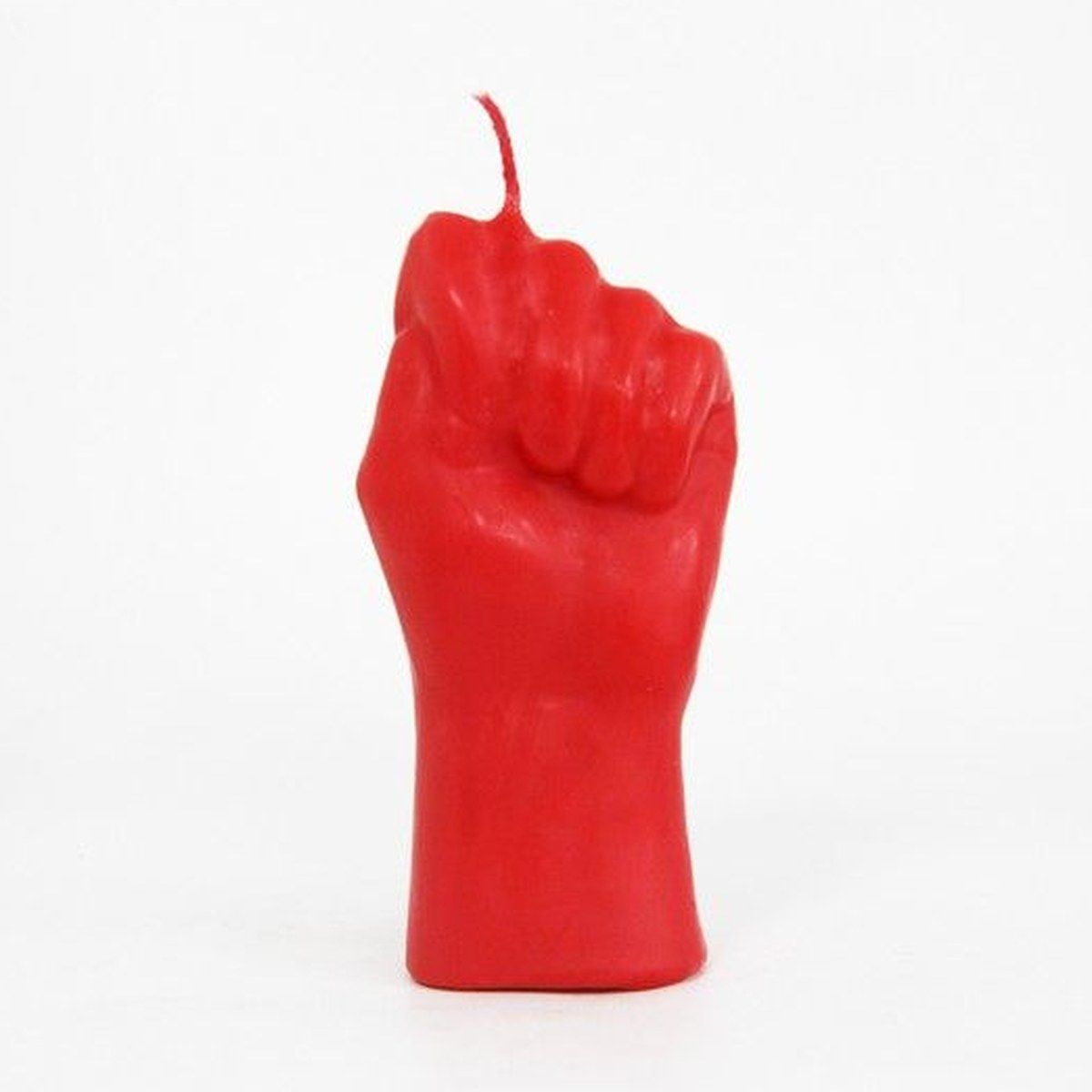
And if you would like to bring this gesture into your rituals, you will also find it as a candle.
Other related articles
 Oct. 9, 2026
Honey candle: meaning, what it is for and what it means when it drips
The honey candle is one of the best-loved candles for asking for … Oct. 5, 2026
The most powerful protection amulets and how to activate them
Which is the most powerful protection amulet? What protects you from the … Oct. 5, 2026
San Lotario and Other Rituals to Attract Good Luck in the Lottery
Meet San Lotario, learn when to light his ritual candle before the … Oct. 5, 2026
Transmutation Meaning: What Is Spiritual Transmutation?
To transmute is to turn one thing into another. Discover what spiritual … Oct. 4, 2026
Our customers trust us
Opinions of our clients
Receive our news